
Music in Stroke Rehabilitation: Why a Beat Can Be a Treatment Tool
A cue, not a cure
A steady beat can give someone recovering from stroke a concrete cue for the next step. That makes rhythm a potential rehabilitation tool, not evidence that a playlist repairs brain tissue. Listening for enjoyment and receiving a structured clinical intervention are different activities. The treatment depends on how sound is matched to a task, ability and safety plan.
What rhythm-based practice involves
Rhythmic auditory stimulation uses repeated cues, sometimes a metronome or strongly accented music. A clinician adjusts the cue and monitors useful movement rather than merely encouraging someone to keep up with a faster beat. Other music interventions may target communication or movement timing, but different methods should not be treated as one interchangeable treatment.
The human evidence
A 2007 randomized trial compared rhythm-cued gait training with neurodevelopmental/Bobath-based training early after stroke. Participants could already complete assisted steps. The rhythm group showed greater improvements in several walking measures. A 2017 Cochrane review of acquired brain injury reported encouraging evidence for selected walking outcomes, with more limited or uncertain evidence for several other functions. These are older studies, not newly announced discoveries.
Safety and interpretation
Walking speed in a supervised assessment does not describe every challenge outdoors. Turning, uneven surfaces, fatigue and divided attention change performance. Studies differ in intervention dose and comparison therapy. Functional improvement does not prove a particular brain-rewiring mechanism. Ask the rehabilitation team whether rhythm-based practice fits your goals. Do not independently increase walking speed to match a song when balance is impaired. Hearing, distraction and fall risk need consideration.
This evidence supports informed conversations, not an individualized prediction. Study populations and comparison conditions matter when considering how findings apply to a particular person. Bring your priorities and questions to a qualified professional who can assess your circumstances.
Sources
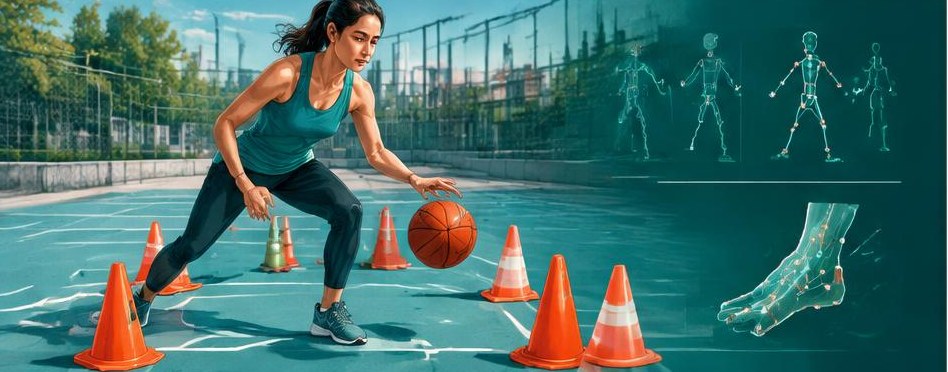
This article is for general information, not individual medical advice. Illustration is AI-generated and does not depict actual study participants.
Frequently Asked Questions
- What does the evidence support?
- A 2007 randomized trial compared rhythm-cued gait training with neurodevelopmental/Bobath-based training early after stroke. Participants could already complete assisted steps. The rhythm group showed greater improvements in several walking measures. A 2017 Cochrane review of acquired brain injury reported encouraging evidence for selected walking outcomes, with more limited or uncertain evidence for several other functions. These are older studies, not newly announced discoveries.
- How should I interpret the findings?
- Consider the population, comparison treatment and outcomes studied. Findings do not guarantee the same result for an individual.
- What should I discuss with my clinician?
- Ask how this evidence fits your goals, current abilities, safety needs and existing treatment plan.
Written by
Neuroplasticity News Editorial Team
The Neuroplasticity News editorial team covers brain science, rehabilitation research and clinical trials, translating peer-reviewed evidence into clear, accurate reporting for patients, families and professionals.
 PreviousRehabilitation Progress: Measuring What Matters When Change Is Uneven
 NextConcussion Exercise Research: Why “Below the Symptom Threshold” Matters