Chronic Pain and Plasticity: A Sensitive Alarm Is Still Real Pain
Sensitivity does not mean imagination
Pain can persist after an injury heals without being imaginary. Changes in nervous-system processing can contribute. Explaining them should expand access to care, not imply that people caused their symptoms or can stop them through positive thinking. Sensitization is one possible contributor alongside ongoing tissue disease, nerve injury and other mechanisms.
A useful metaphor has limits
Pain normally protects the body. Some systems become more responsive, making ordinary input painful. An alarm metaphor can describe persistent sensitivity, but a metaphor does not diagnose an individual. Clinical history, examination and consideration of treatable causes remain important. Different mechanisms may coexist, and an explanation of sensitivity should not erase the need for assessment.
What pain reprocessing research found
A randomized trial published online in 2021 and in a 2022 journal issue tested pain reprocessing therapy for selected people with primary chronic back pain. It reported benefits compared with placebo and usual-care groups. The structured treatment aimed to change threat interpretations of certain sensations. This is evidence for a specific population, not proof that all pain has the same cause or that every painful disease can be reversed psychologically.
A coordinated care plan
The findings should not automatically extend to cancer pain, inflammatory disease or progressive nerve injury. Expectations and difficulty blinding psychotherapy complicate interpretation. Nonresponse should never be blamed on insufficient belief. Ask which mechanisms may be relevant and whether rehabilitation or psychological care belongs alongside other treatment. Do not stop medication independently. New weakness, bladder or bowel changes, or severe pain with concerning systemic symptoms warrant urgent assessment. Adaptability offers a treatment rationale, not a cure guarantee.
This evidence supports informed conversations, not an individualized prediction. Study populations and comparison conditions matter when considering how findings apply to a particular person. Bring your priorities and questions to a qualified professional who can assess your circumstances.
Sources
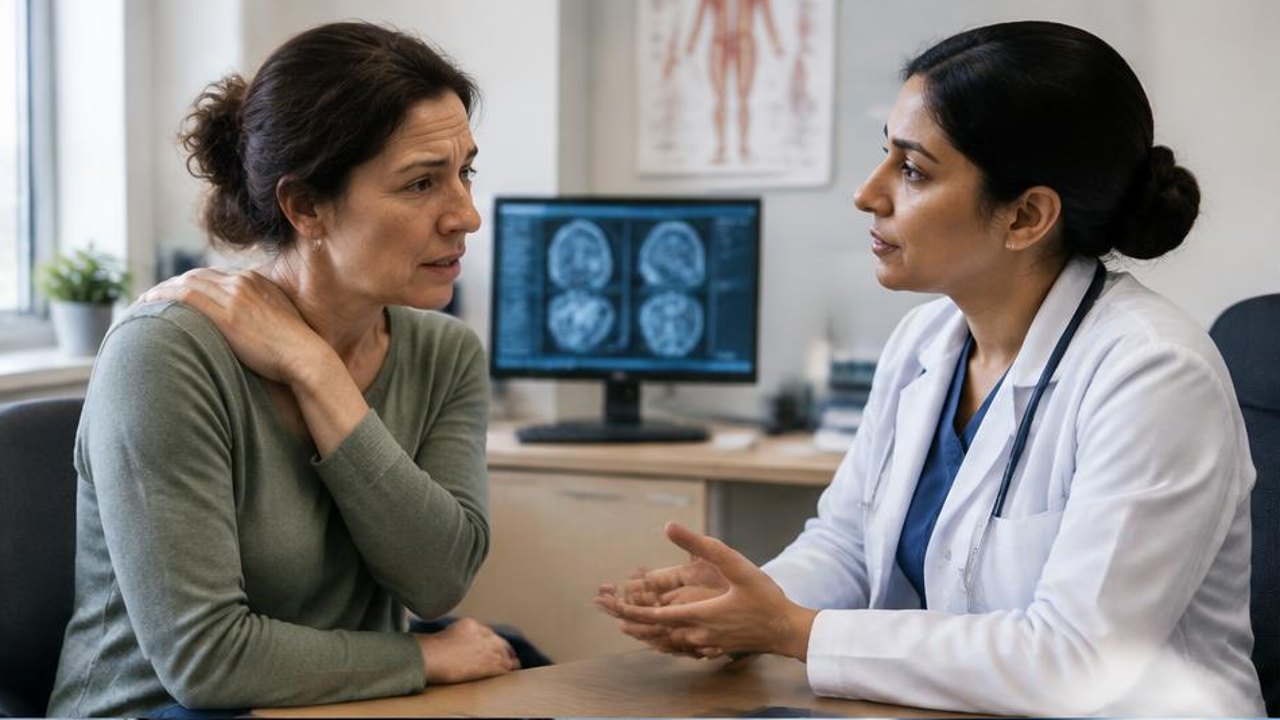
This article is for general information, not individual medical advice. Illustration is AI-generated and does not depict actual study participants.
Frequently Asked Questions
- What does the evidence support?
- A randomized trial published online in 2021 and in a 2022 journal issue tested pain reprocessing therapy for selected people with primary chronic back pain. It reported benefits compared with placebo and usual-care groups. The structured treatment aimed to change threat interpretations of certain sensations. This is evidence for a specific population, not proof that all pain has the same cause or that every painful disease can be reversed psychologically.
- How should I interpret the findings?
- Consider the population, comparison treatment and outcomes studied. Findings do not guarantee the same result for an individual.
- What should I discuss with my clinician?
- Ask how this evidence fits your goals, current abilities, safety needs and existing treatment plan.
Written by
Neuroplasticity News Editorial Team
The Neuroplasticity News editorial team covers brain science, rehabilitation research and clinical trials, translating peer-reviewed evidence into clear, accurate reporting for patients, families and professionals.
 PreviousRehabilitation Progress: Measuring What Matters When Change Is Uneven
 NextConcussion Exercise Research: Why “Below the Symptom Threshold” Matters